The Benefits of a Design-Build Approach for Your Custom Home

Building an Energy-Efficient Home in the Texas Heat

Good intentions do not ensure a safe, timely, or budget-conscious build. Mark Richardson, a respected advisor and author with more than 30 years of industry experience, highlights poor planning, overpromising, weak hiring, and rapid growth as common construction mistakes.
For local homeowners, construction mistakes to avoid San Antonio clients often face can begin long before work starts. Unclear plans, loose budgets, missing records, or unsuitable people can place your project at risk. The right contractor offers clear communication, solid documentation, verified permits, and a steady commitment to quality.
WH Builders brings a refined, personal approach to custom homes, luxury remodeling, kitchen and bathroom renovations, outdoor living spaces, and commercial construction. Based in San Antonio, Texas, the team pairs architectural design with skilled craftsmanship and modern Texas Hill Country style. This guide gives you a practical way to review contractors, protect your budget, and support a smoother project from planning through completion.
Key Takeaways
- Strong planning supports safer, more predictable projects.
- Clear contracts help define costs, duties, and schedules.
- Verified permits protect your property and investment.
- Experience and communication matter when selecting a builder.
- Quality-focused guidance can reduce costly surprises.
Start With a Clear Project Vision and Scope
A refined vision gives your project direction before construction work begins. You can shape luxury living with modern design, architectural clarity, and lasting craftsmanship. This planning stage helps you separate essential choices from optional upgrades.
Define Your Design Goals, Priorities, and Must-Haves
List room priorities, lifestyle needs, finishes, dimensions, and performance goals. Share this information with a luxury home builder before the scope takes form. For custom homes San Antonio homeowners value, written decisions support smooth coordination and protect your budget.
Clarify the Scope for Custom Homes and Remodeling Projects
Richardson calls failure to plan a major mistake because a roadmap needs regular review and adjustment. A clear scope shows trade links, realistic time, approvals, inspections, and site limits. It also assigns installation duties for materials, reducing issues from missing drawings or shifting expectations.
WH Builders brings modern Texas Hill Country design into home remodeling, kitchen remodeling, bathroom remodeling, and outdoor living projects. Detailed plans help each team member understand the work, support consistent construction quality, and strengthen the building process.
Construction Mistakes to Avoid San Antonio Homeowners Should Know
Early choices shape cost, safety, quality, and schedule. Autodesk reports that weak coordination and rework reduce productivity across the industry. A careful review of planning, pricing, approvals, and duties helps you spot risk before work begins.
Overlooking Planning and Pre-Construction Details
Rushed plans can leave estimates, insurance records, material counts, designs, or permits incomplete. Poor details may lead to foundation cracks, unstable framing, wiring hazards, or failed inspections. Confirm drawings, site conditions, and OSHA safety steps with subcontractors early.
Underestimating Costs, Materials, and Project Timelines
Low bids may exclude labor, management time, delivery fees, or permit costs. Heidi Clark advises clients to judge a contractor’s worth through experience, tools, coordination, and workmanship, not price alone. Honest figures protect your budget and reduce overruns.
Allowing Unclear Responsibilities to Create Delays
Workers need clear tasks, approvals, and handoffs. Scheduling a crew before prior work, materials, or inspections finish can create delays and added costs. Written communication keeps the team aligned and supports smoother projects.
- Check scope, estimates, permits, insurance, and references.
- Confirm who manages each trade and approval.
- Ask about safety reviews, inspections, and reporting.
| Risk area | Warning sign | Protective step |
|---|---|---|
| Planning | Missing drawings | Review plans first |
| Costs | Unclear allowances | Request itemized pricing |
| Coordination | Unassigned tasks | Record duties in writing |
Review the Contract Before Work Begins
A polished contract gives your project a clear operating plan before crews arrive. It should define each deliverable, finish, allowance, payment milestone, and assigned duty. This record protects luxury homeowners, remodeling clients, and commercial stakeholders from confusion.

Set Clear Terms for Scope, Payments, and Delays
Review the construction contract prior to signing. Confirm payment terms match completed work, approved milestones, and documented quality. This process limits financial exposure when material quantities shift or the scope changes.
Written change procedures also help prevent construction mistakes. Each request should show revised work, added costs, schedule effects, and approval records. Clear language can address weather, inspections, material supply, design revisions, and contractor performance.
- List contingencies for likely site issues and unforeseen problems.
- Record how delays affect time, payment, and completion dates.
- Define steps for resolving errors, disputes, or workmanship concerns.
Incomplete terms may create a costly mistake when a subcontractor suffers an injury or disagreements grow. Ordinary communication and mediation may resolve some conflicts, but legal disputes can still involve clients or trade partners. WH Builders can discuss project expectations during a consultation. Qualified legal counsel should review contract language for your circumstances.
Build a Realistic Budget With Room for Risk
A sound budget gives your project room for risk and clearer choices. Premium finishes, skilled craftsmanship, and careful planning all deserve a place in the numbers.
Begin with labor, premium materials, design services, permits, inspections, site conditions, and contingency funds. Accurate takeoffs and clear allowances matter in kitchen remodeling, bathroom remodeling, and custom homes San Antonio homeowners value. They reveal hidden costs early and support lasting quality.
Account for Labor, Materials, Permits, and Inspections
Richardson considers a marketing allocation of 2% to 5% reasonable for many firms. That figure describes a builder’s business budget, not your personal project budget. Your plan should reflect site needs, finish selections, and likely changes.
Track Costs Before Overruns Affect Quality
Use a live cost log during every phase of the project. Compare planned and actual spending each week. This management habit flags overruns, payment issues, and delays while there is still time for a calm choice.
Transparent reviews align pay applications with field progress. A skilled contractor can adjust tasks or finishes while protecting quality. Preserving craftsmanship is wiser than cutting corners.
Confirm Permits, Inspections, and Building Standards
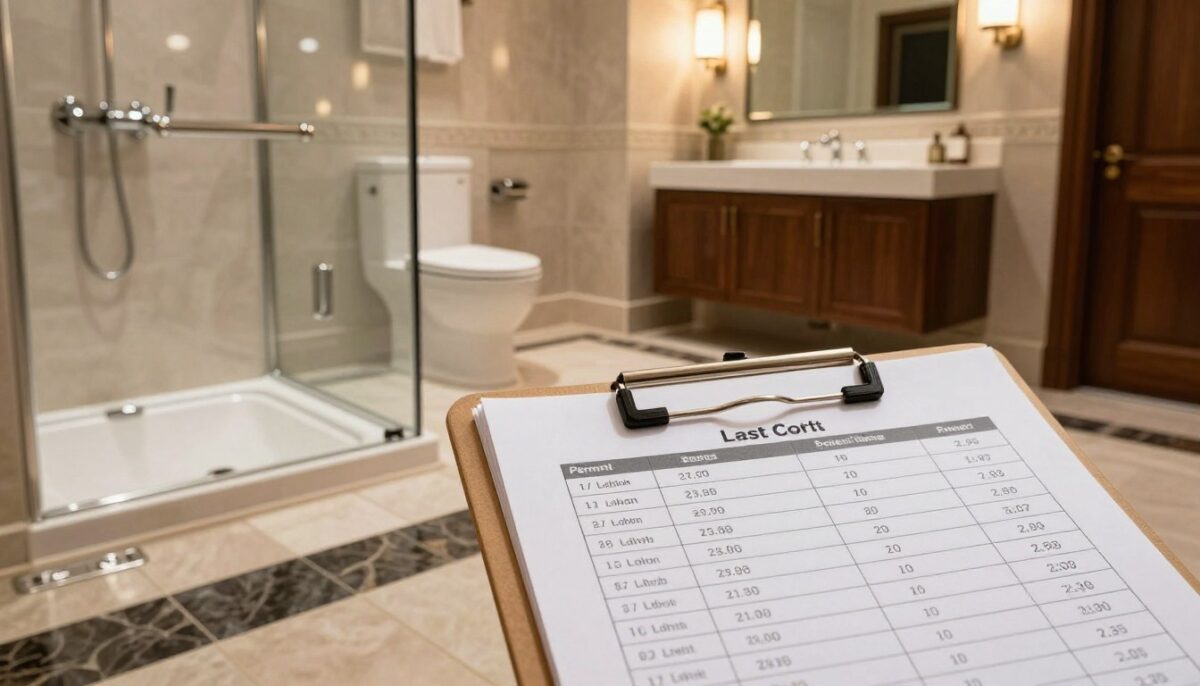
A permit record is the quiet framework behind lawful, durable home improvement. Before crews start, confirm every approval required by local authorities. Depending on your project, this may include building, zoning, environmental, and trade permits.
Missing permits can prompt a city planning office to stop construction. Permit problems may bring fines, delays, failed approvals, or legal exposure. They can also leave safety issues hidden and reduce resale confidence in your property.
Scheduled inspections create useful checkpoints for foundations, framing, electrical systems, plumbing, insulation, roofing, and other stages. These reviews help identify mistakes while correction remains manageable. They also support durability, energy performance, and responsible building practices.
Ask your builder for copies of all permits, inspection results, correction notices, and final approvals. Keep these records with your project files. Review OSHA safety guidance with subcontractors before work begins, since clear expectations reduce risk and support professional standards.
WH Builders’ code-conscious approach helps place safety, lasting quality, and proper documentation at the center of each construction project.
Vet the Builder, Contractors, and Subcontractors
A builder’s record often reveals more than a polished sales pitch. Review credentials, past results, and team capacity before choosing a partner for your project.

Verify Licenses, Insurance, Experience, and References
Confirm licenses, insurance coverage, qualifications, safety history, and relevant experience. Review completed projects that match your design, scale, and finish standards. Ask former clients about communication, schedule control, change management, cleanliness, workmanship, and final resolution of issues. Missing subcontractor insurance or incomplete agreements may expose you to injury claims and costly disputes.
Evaluate Communication, Capacity, and Professional Standards
Richardson suggests asking whether people can perform the work, will perform it well, and fit the company culture. This principle applies to every worker and trade partner. Strong management also requires enough capacity for your timeline. Rapid growth can strain quality; Richardson recommends about 10% to 20% annual growth as a healthier pace.
WH Builders serves San Antonio with custom homes, luxury remodeling, outdoor living, and commercial construction. Its modern Texas Hill Country approach supports careful craftsmanship and clear client service.
| Check | Evidence | Why It Matters |
|---|---|---|
| Credentials | License and insurance records | Reduces legal exposure |
| Past work | Similar projects and references | Shows quality and experience |
| Team fit | Capacity and communication | Supports dependable progress |
Establish Communication and Project Management Practices
Calm coordination gives your project a stronger rhythm from planning through final review. A shared communication system keeps drawings, selections, schedules, approvals, and site notes in one place. This approach limits scattered emails, texts, phone calls, and duplicate records.
Set Approval Workflows, Milestones, and Documentation Expectations
Assign an owner for every RFI, inspection, payment application, design decision, and change request. Add a reasonable response time for each phase. Clear ownership helps you respond to issues before they become delays.
Autodesk identifies poor coordination and rework as major productivity losses in construction. A milestone tracker shows unfinished tasks, trade handoffs, critical-path risk, and time slippage early. Daily logs, photographs, meeting notes, and written approvals give your team reliable information when problems or disagreements arise.
- Use structured tools for field updates, drawings, approvals, and change records.
- Review progress at regular meetings with the homeowner, office, field, and design team.
- Confirm completed work before the next trade begins.
Organized management reduces errors, protects quality, and creates a premium client experience across residential and commercial projects.
Protect Quality Through Materials and Workmanship
Premium results depend on what you install and how carefully each task is completed. For a luxury project, quality control should guide every phase, from soil preparation through final finishes. Strong records also help you track details before small issues become costly problems.
Choose Durable Materials for Texas Conditions
Texas heat, intense sun, storms, humidity, and soil movement affect roofs, windows, insulation, exteriors, and outdoor living areas. Select materials rated for local weather and pair them with skilled installation. A properly installed roof may last 15 to 30 years, based on its material. Waterproof underlayment, sound ventilation, and regular care protect that investment.
Schedule Ongoing Inspections to Catch Issues Early
Review the foundation, framing, plumbing, electrical systems, insulation, doors, windows, and roofing during each phase. Poor preparation can cause cracks or sinking, while weak insulation may create energy leaks and weather damage. Proper ventilation limits moisture and unhealthy air in kitchens and bathrooms.
Geraldine Smith of All Inclusive Construction says her team removes and redoes work that misses its quality standard. That discipline supports safety, reduces delays, and keeps craftsmanship aligned with modern Texas Hill Country design.
Manage Safety, Scheduling, and Change Orders
A disciplined site plan keeps people safe and gives your construction project a steady path. Before work starts, review OSHA training with every subcontractor. Require protective gear, site barriers, hydration breaks, documented inspections, and prompt incident follow-up. Ignoring safety rules can cause injuries, fatalities, work stoppages, investigations, shutdowns, and liability exposure.
Build a schedule around trade links, permits, inspections, approvals, material lead times, weather, and real team capacity. Overscheduling contractors can rush tasks, raise stress, reduce quality, and create delays across residential and commercial projects. Delayed decisions may leave labor and equipment idle, then force hurried work later.
- Record each change, reason, price, materials, schedule effect, approval, and responsible party.
- Keep homeowners, designers, inspectors, and workers in regular communication.
- Use organized tools for site notes, photos, schedules, and safety records.
Strong management makes common construction mistakes easier to spot. It also gives your team useful information before small problems become expensive errors. Written change orders protect budget, time, safety, and building quality. A calm process supports better decisions and fewer surprises.
| Focus | Action | Result |
|---|---|---|
| Safety | Train crews and document checks | Lower risk |
| Scheduling | Match tasks with capacity | Fewer delays |
| Changes | Secure written approval first | Clear costs |
Conclusion
A practical way to avoid common construction mistakes is simple: use clear planning, a realistic budget, strong contract terms, skilled professionals, and regular oversight.
Mark Richardson’s more than 30 years of advice supports early action instead of late repairs. Permits, inspections, safety checks, shared records, and signed change orders help protect your construction project from delays, rising cost, and quality concerns.
Your contractor should value craftsmanship, communicate clearly, manage risk, and address defective work rather than conceal mistakes. WH Builders offers luxury custom homes, remodeling, and commercial expertise in San Antonio, Texas.
Ready for a confident next step? Call 210.852.3249 or visit whbuildersllc.com for practical guidance and a consultation.