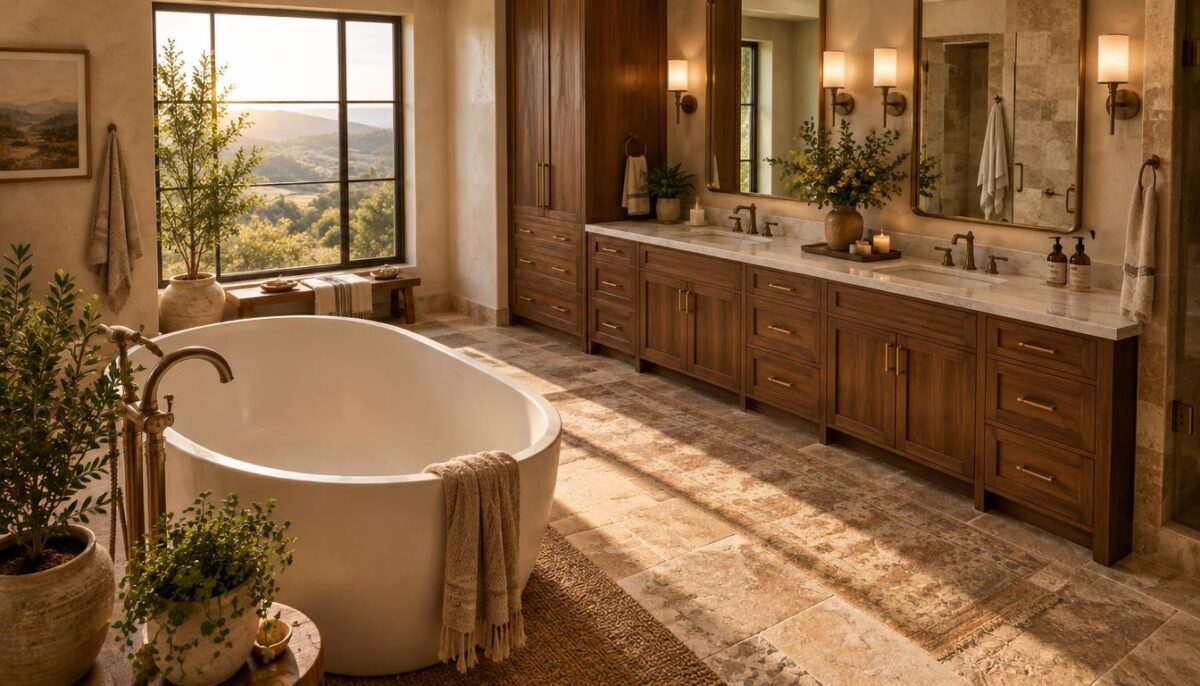
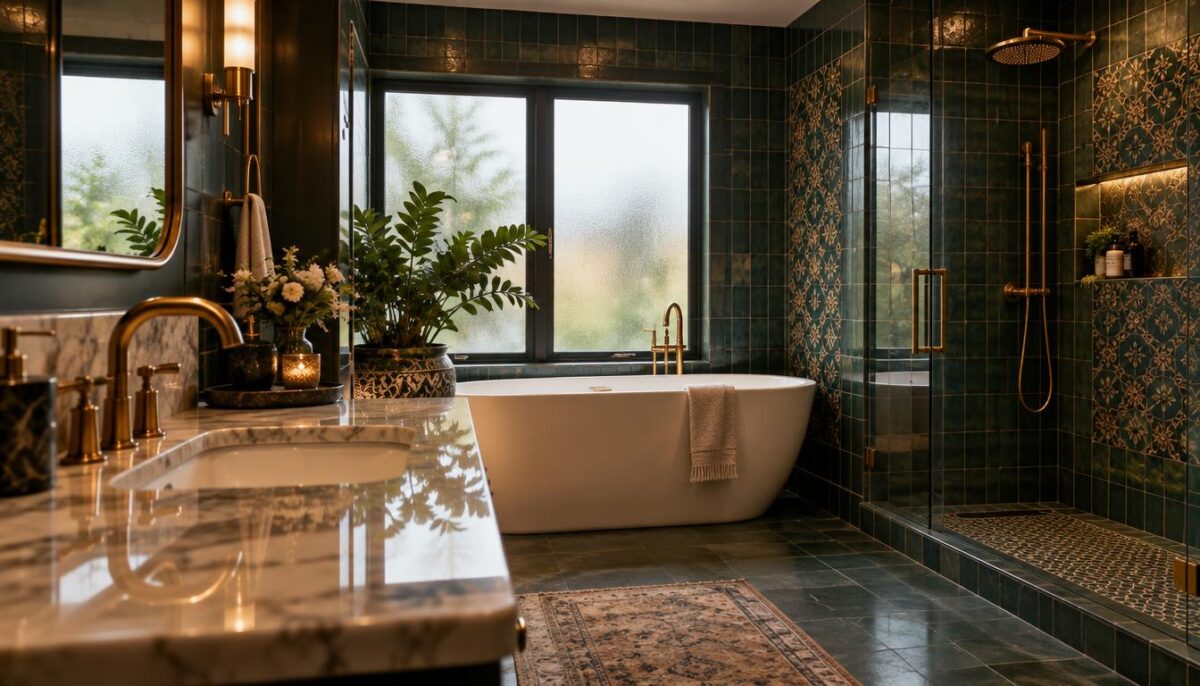
Designing a Spa-Style Primary Bath in the Hill Country
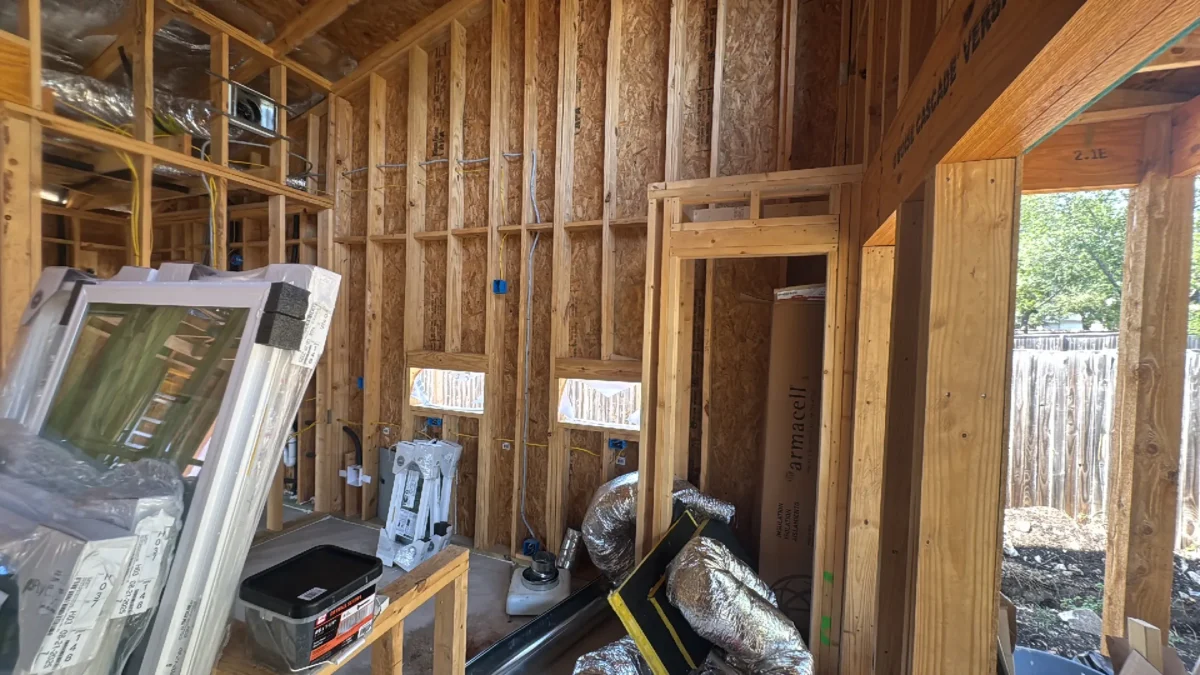
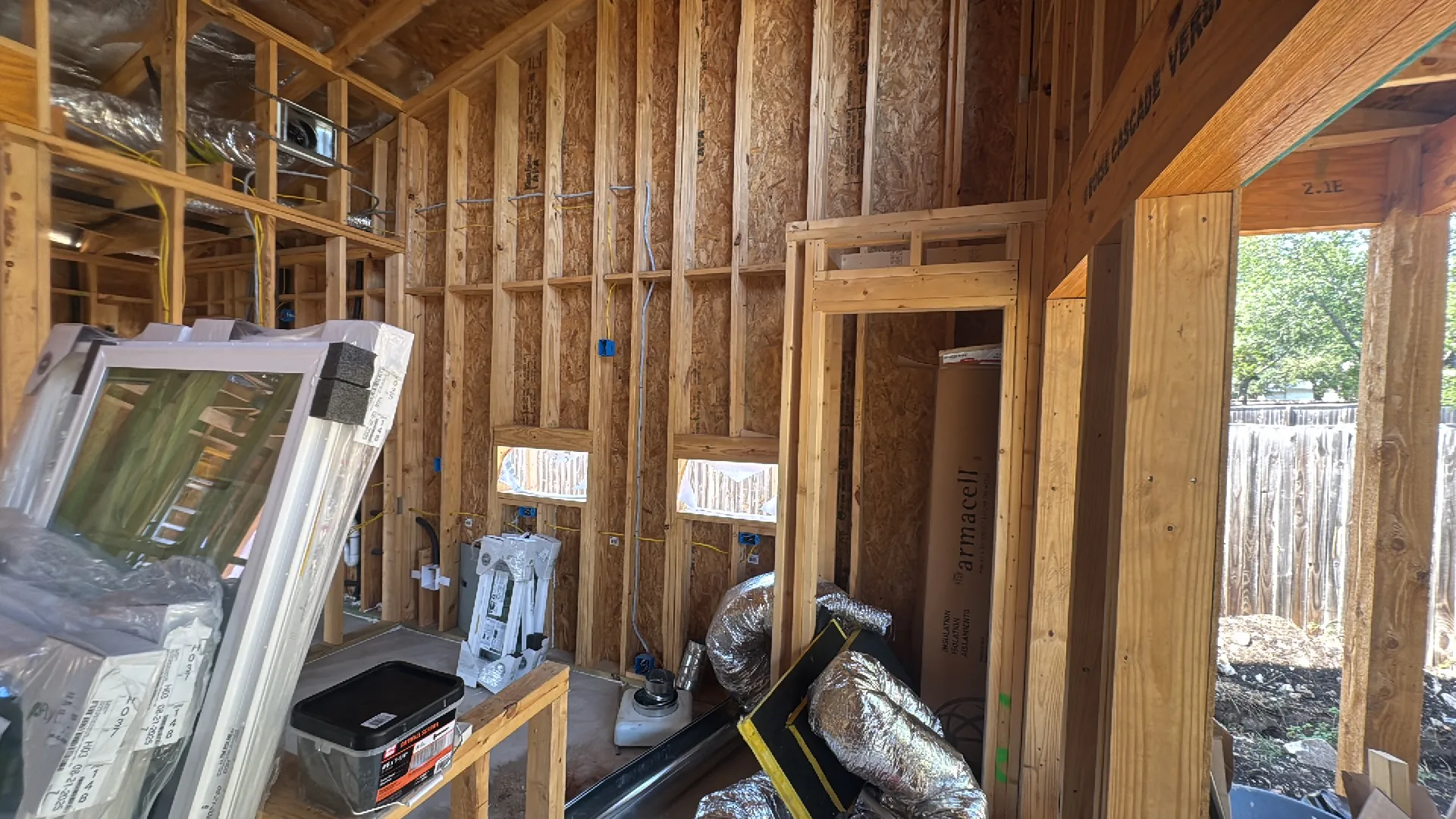
Room addition costs in San Antonio and Texas Hill Country range from $250 to $400 per square foot, placing a 300-square-foot room between $75,000 and $120,000. WH Builders notes that most projects land between $75,000 and $275,000, with plumbing and finishes driving significant price variation.
Key Takeaways
- Room addition costs in San Antonio and Texas Hill Country range from $250 to $400 per square foot.
- A bedroom and a primary bath of the same size can differ significantly due to plumbing and finishes.
- Foundation work on sloped Hill Country lots adds engineering and excavation costs to room additions.
- A master suite addition in San Antonio typically exceeds a standard bedroom addition for the same square footage.
What drives room addition costs in San Antonio?
A room addition cost San Antonio ranges from about $40,000 for a small bump-out to $550,000 or more for a full second story. Most additions land between $75,000 and $275,000. The spread exists because interior features drive pricing far more than square footage alone.
A bedroom and a primary bath of the same size can differ in cost. The bath carries plumbing, a tile shower system, cabinetry, glass, and fixtures that the bedroom does not. This single comparison, drawn from the 2026 pricing data published by ARG Contracting, reveals why how much does a room addition cost in San Antonio resists a simple per-square-foot answer.
What makes one addition more expensive than another of the same size?
The rooms inside the addition set the budget. Kitchens and bathrooms pack the highest cost density. Bedrooms, home offices, and living spaces cost less per square foot because they skip wet walls and heavy fixture counts. A home addition cost per square foot San Antonio shifts dramatically when plumbing enters the plan.
Why does a master suite addition cost more than a standard bedroom?
A master suite addition cost climbs because the project bundles a sleeping area with a full bathroom and often a walk-in closet. Three distinct spaces with different finish levels merge into one permit set. The bathroom portion alone adds tile work, waterproofing, a vanity, and glass enclosure costs that a standalone bedroom never incurs.
How does a house bump out compare to a full room addition?
A house bump out cost San Antonio starts lower because the structure extends an existing room rather than creating a new one. Fewer foundation modifications and simpler roof tie-ins keep the price closer to the $40,000 floor. However, the moment plumbing or HVAC enters the bump-out scope, costs rise toward the $75,000 midpoint.
WH Builders approaches every addition with transparent pricing and clear communication. The company’s process ensures clients understand exactly where their project stands from the first walkthrough to the final inspection. Quality craftsmanship and honest numbers prevent the budget surprises that erode trust during construction.

What is the home addition cost per square foot in San Antonio?
A finished home addition in San Antonio typically costs $250 to $400 per square foot. A 300-square-foot room lands between $75,000 and $120,000 before project-specific factors enter the equation, according to CS Enterprises’ 2026 Texas addition guide.
Those numbers shift dramatically based on what goes inside the square footage. A bedroom addition stays near the lower end of that range. A bathroom or kitchen addition pushes toward $400 per square foot and beyond. Plumbing rough-ins, roof tie-ins, and finish selections drive the variance. Homeowners who budget solely by square footage risk underestimating the true home addition cost per square foot san antonio by tens of thousands of dollars.
What drives the cost above $400 per square foot?
Three project elements consistently push pricing past the standard range. Foundation work on sloped Hill Country lots adds engineering and excavation costs. High-end finishes like custom cabinetry, natural stone, and designer tile increase material spend. Structural complexity, including second-story additions and dormers, raises labor and framing expenses.
How do addition types affect the per-square-foot price?
CS Enterprises groups San Antonio additions into three categories, each with distinct cost profiles:
A house bump out cost san antonio typically falls at the lower end because bump-outs add square footage without plumbing or complex roof modifications. A master suite addition cost runs higher. Master suites bundle a bedroom, bathroom, and walk-in closet into one project, multiplying the mechanical and finish requirements.
WH Builders serves homeowners throughout San Antonio, Boerne, New Braunfels, Bulverde, and surrounding Hill Country communities. The company’s approach to additions prioritizes structural integrity and finish quality over minimum-code shortcuts. Every project begins with a detailed scope that accounts for site conditions, utility connections, and material selections before a single number reaches the client.

How much does a master suite addition cost?
A master suite addition cost in San Antonio typically exceeds a standard bedroom addition by $60,000 for the same square footage. The premium comes from what fills the space. Plumbing, a tile shower system, cabinetry, glass enclosures, and fixtures drive the price far beyond a simple sleeping room.
What makes a master suite more expensive than a bedroom?
The difference is not size. It is density of systems. A 400-square-foot bedroom requires framing, drywall, flooring, and electrical, whereas a 400-square-foot primary bathroom adds supply and drain lines, waterproofing, and fixtures. Those elements account for the gap between the two spaces, as detailed in the 2026 cost data from Home Addition Cost in San Antonio.
Where does a master suite addition fit in a home layout?
A primary suite falls into the build out category of home additions. This group also includes bump-outs, sunrooms, and covered patios. Build-out projects extend the home’s footprint at ground level rather than adding vertical space. Homeowners choosing this path gain a private retreat without disrupting upstairs rooms or rooflines.
Home addition cost per square foot San Antonio ranges from $250 to $400 for finished space, according to 12 Home Addition Ideas for Texas Homes. A master suite lands in a certain range before accounting for the bathroom’s specialized systems. The final figure depends on fixture selections, tile scope, and structural tie-in complexity.
WH Builders handles master suite additions from planning through finishing. The company’s process ensures the new space integrates with the existing home’s architecture and flow. Every detail, from foundation work to trim carpentry, receives the same attention as the original structure.
What is a house bump out cost in San Antonio?
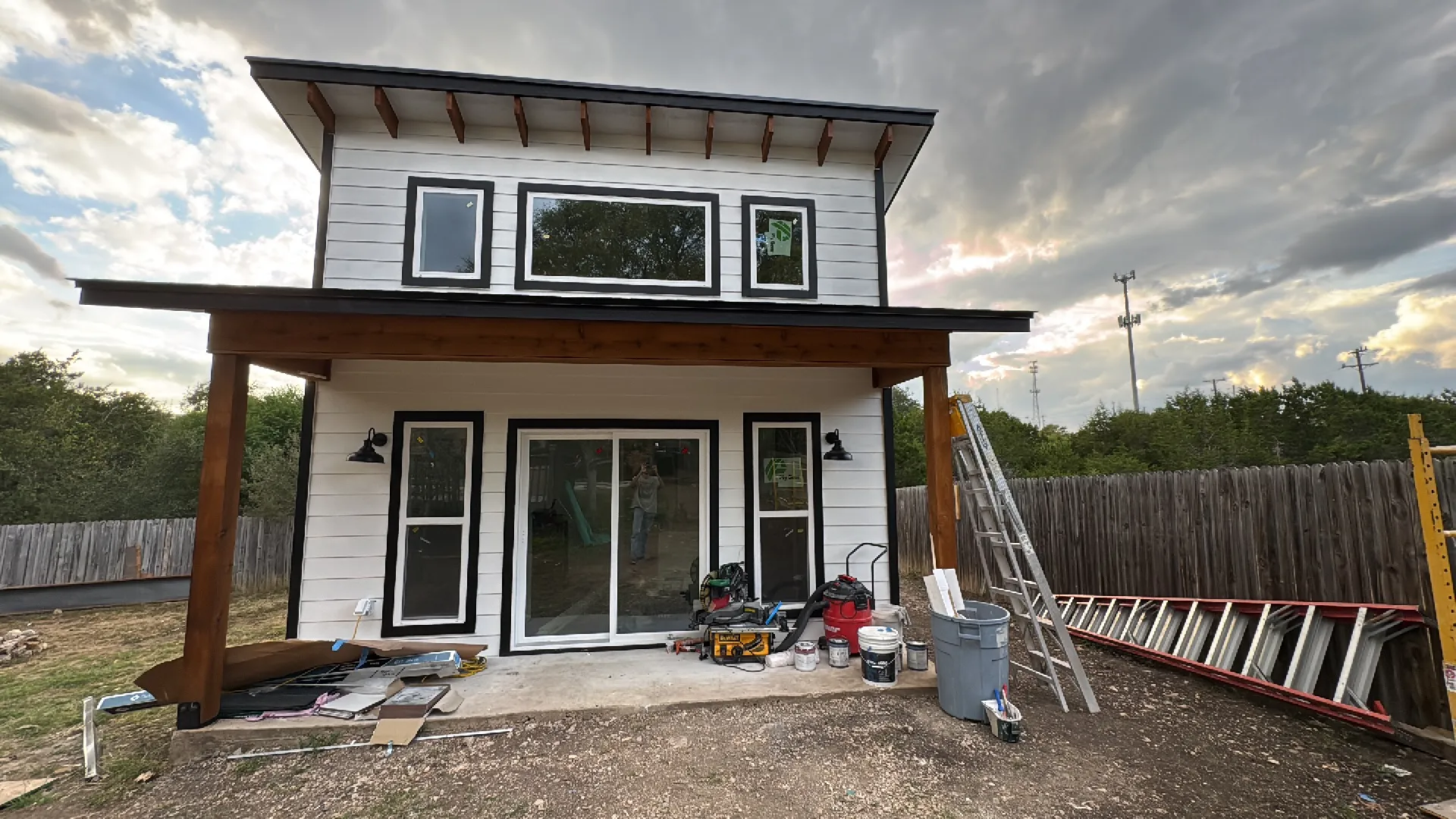
A house bump out cost San Antonio starts around $40,000 for a small bump-out. That figure makes bump-outs one of the more accessible addition types available to Hill Country homeowners. Most full-scale additions land between $75,000 and $275,000, according to the 2026 pricing data from Home Addition Cost in San Antonio. A bump-out sits at the lower end because it extends an existing room outward rather than building an entirely new space from the foundation up.
Bump-outs belong to the “build out” category of home additions. The 12 Home Addition Ideas for Texas Homes guide groups them alongside primary suites, sunrooms, and covered patios. This classification matters for budgeting. Build-out projects typically cost less than “build up” options like second stories or dormers, which require structural reinforcement of the existing roof and walls.
What determines the final price of a bump-out?
Square footage drives the base cost, but what goes inside the space matters more. A small bump-out for an expanded bedroom costs significantly less than the same footprint designed for an expanded bathroom. Plumbing, tile shower systems, cabinetry, and glass fixtures add significant cost to an otherwise identical shell. Foundation work, roof tie-ins, and finish selections push the number higher or keep it lean.
How does a bump-out blend with the existing home?
Every addition is carefully designed to complement the home’s architecture, layout, and finishes for a natural, cohesive look. Exterior materials, rooflines, and window styles match the original structure. Interior transitions hide the seam between old and new. The result reads as intentional square footage, not an afterthought bolted onto the side of the house.
How do local factors affect room addition costs?
San Antonio’s expansive clay soil drives foundation costs higher than homeowners expect. Drilled piers and specialized engineering become necessary to prevent shifting and cracking over time. Without these measures, a new addition risks structural damage that standard slab work cannot prevent.
City of San Antonio permitting requirements add another layer of expense and timeline. COSA reviews cover structural plans, energy compliance, and site drainage before work begins. Skipping proper permits triggers stop-work orders and costly rework later.
HVAC load calculations also shape the budget. A new room addition changes the heating and cooling demand on the existing system. Undersized equipment strains to maintain comfort during Texas summers, while oversized units cycle inefficiently and spike utility bills.
Roofline tie-ins present a final local cost driver. Seamlessly connecting new roof framing to the existing structure requires precise flashing, shingle matching, and weatherproofing. Poor tie-in work leads to leaks that compromise both the addition and the original home.
What foundation issues drive up San Antonio addition costs?
Expansive clay soil swells when wet and shrinks during drought. This movement stresses conventional slabs and causes cracks. Drilled piers anchor the foundation into stable strata below the active soil zone. The engineering and pier installation add several thousand dollars to a typical room addition cost San Antonio project.
How do permits and HVAC sizing affect the final price?
COSA permit fees, plan reviews, and inspections ensure code compliance but extend the timeline. A proper Manual J load calculation determines whether the existing HVAC system handles the added square footage. Upgrading equipment or adding a mini-split unit increases the home addition cost per square foot San Antonio figure. WH Builders offers complimentary consultations to help homeowners understand these local requirements and their specific project costs.
FAQ
What is the typical cost range for a room addition in San Antonio and Texas Hill Country?
Room addition costs range from $250 to $400 per square foot, with most projects landing between $75,000 and $275,000.
Why does a master suite addition cost more than a standard bedroom addition?
A master suite bundles a sleeping area with a full bathroom and walk-in closet, adding tile work, waterproofing, and fixture costs that a bedroom does not.
How does a house bump out compare in cost to a full room addition?
A house bump out starts lower, near $40,000, because it extends an existing room with fewer foundation and roof modifications.
Conclusion
Understanding these cost drivers, from foundation engineering to HVAC loads, equips you to budget realistically for a San Antonio or Hill Country room addition. The next step is a site-specific consultation that translates these factors into a precise estimate for your home, ensuring your investment delivers lasting value and seamless integration with your existing structure.